
Vol.:(0123456789)
1 3
Archives of Civil and Mechanical Engineering (2021) 21:79
https://doi.org/10.1007/s43452-021-00234-2
ORIGINAL ARTICLE
The performance ofultra‑lightweight foamed concrete incorporating
nanosilica
MohamedAbdElrahman1,2 · PawelSikora1 · Sang‑YeopChung3 · DietmarStephan1
Received: 20 July 2020 / Revised: 4 October 2020 / Accepted: 16 April 2021
© The Author(s) 2021
Abstract
This paper aims to investigate the feasibility of the incorporation of nanosilica (NS) in ultra-lightweight foamed concrete
(ULFC), with an oven-dry density of 350kg/m3, in regard to its fresh and hardened characteristics. The performance of
various dosages of NS, up to 10wt.-%, were examined. In addition, fly ash and silica fume were used as cement replacing
materials, to compare their influence on the properties of foamed concrete. Mechanical and physical properties, drying
shrinkage and the sorption of concrete were measured. Scanning electron microscopy (SEM) and X-ray microcomputed
tomography (µ-CT) and a probabilistic approach were implemented to evaluate the microstructural changes associated with
the incorporation of different additives, such as wall thickness and pore anisotropy of produced ULFCs. The experimental
results confirmed that the use of NS in optimal dosage is an effective way to improve the stability of foam bubbles in the
fresh state. Incorporation of NS decrease the pore anisotropy and allows to produce a foamed concrete with increased wall
thickness. As a result more robust and homogenous microstructure is produced which translate to improved mechanical and
transport related properties. It was found that replacement of cement with 5wt.-% and 10wt.-% NS increase the compres-
sive strength of ULFC by 20% and 25%, respectively, when compared to control concrete. The drying shrinkage of the NS-
incorporated mixes was higher than in the control mix at early ages, while decreasing at 28d. In overall, it was found that
NS is more effective than other conventional fine materials in improving the stability of fresh mixture as well as enhancing
the strength of foamed concrete and reducing its porosity and sorption.
Keywords Ultra-lightweight foamed concrete· Cement-based composite· Nanosilica· Microstructure· Compressive
strength· Shrinkage
1 Introduction
Many studies have recently focused on the properties of
different types of lightweight concrete, due to its various
advantages, including excellent sound and thermal insulation
properties as well as its low density [1]. Foamed concrete
(FC) is a type of low density, cement-based lightweight con-
crete, consisting of cement paste with randomly distributed
air bubbles introduced by foaming agents [2]. Foam bubbles
can be produced in cement paste either by mixing a foam-
ing agent with the cement paste or through a pre-forming
process [3]. Foamed concrete is widely used due to its supe-
rior properties, such as self-levelling ability, high insula-
tion properties, filling ability, fire-resistant characteristics
and low cost compared to other types of lightweight con-
crete. FC can also withstand the freezing conditions, and its
performance can be controlled by adjusting the pore struc-
ture with the use of supplementary cementitious materials
* Pawel Sikora
pawel.sik[email protected]
* Sang-Yeop Chung
Mohamed Abd Elrahman
Dietmar Stephan
1 Building Materials andConstruction Chemistry, Technische
Universität Berlin, Berlin, Gustav-Meyer-Allee 25,
13355Berlin, Germany
2 Structural Engineering Department, Mansoura University,
Elgomhouria St., Mansoura35516, Egypt
3 Department ofCivil andEnvironmental Engineering, Sejong
University, 209 Neungdong-ro, Gwangjin-gu, Seoul05006,
RepublicofKorea

Archives of Civil and Mechanical Engineering (2021) 21:79
1 3
79 Page 2 of 16
(SCMs) [4]. However, it should be taken into account that
the production of FC is highly sensitive to alteration in the
mixture design and production procedure when compared to
the production of lightweight aggregate concrete (LWAC)
with the same density [5]. Kuzielova etal. [6] reported that
the performance of FC can be controlled and improved by
special treatments for foam by using ultrasound and micro-
wave. In addition, Falliano etal. [7] showed that even a cur-
ing condition (in air or in water) plays a spectacular role on
the resulting mechanical properties and fracture energy of
FC. The potential usage of foamed concrete for structural
and nonstructural applications and its mixture design and
production procedures were also comprehensively summa-
rized and reviewed [8].
In general, foamed concrete is produced with a den-
sity in the range of 500–1600kg/m3. However, at a den-
sity < 500kg/m3, it tends to be unstable due to the high
foam content and low cement paste content, which signifi-
cantly limits its applications [3]. At such low densities, it is
generally designated as ultra-lightweight foamed concrete
(ULFC) and requires more attention than conventional con-
crete, when selecting its constituents, as well as in the mix-
ing process, to improve its stability, strength and physical
characteristics.
It is now available to produce and characterize foamed
concrete with ultra-low plastic densities (< 500kg/m3), in
particular, as a result of ongoing development in the field of
concrete technology, which has included the introduction of
new evaluation techniques including X-ray micro-computed
tomography (micro-CT) [9], X-ray diffraction (XRD) and
scanning electron microscopy (SEM) [10]; this, in turn, ena-
bles to understand the role of SCMs and various designing
processes towards optimizing the mixture designs. However,
numerous research and engineering experiences have shown
that ultra-lightweight foamed concrete can be unstable, par-
ticularly as its density decreases [8]. Kuzielova etal. [11]
reported that even a small variation in density could affect
significantly the compressive strength of specimens in the
case of ULFCs with a bulk density below 200kg/m3. Chung
etal. [12] also confirmed that with decreasing the density of
ULFC the amount of pores of larger diameter were notice-
ably increasing. In addition, at low densities, ULFC suffers
from low strength and is highly susceptible to cracking [8].
As a result, the applications and design of FC are some-
what limited and requires very precise producing process to
achieve a material with the desired low density.
To date, many comprehensive studies on the effects of
various chemical admixtures, additives and fibers on the
properties of lightweight concretes, have been performed.
Chung etal. [13] used micro-CT to evaluate the effect of
pore size, distribution and shape on physical and mechani-
cal properties of foamed concrete and they found that with
increasing the density of concrete the solid content increase
which keep the spherical shape of the pores and make them
more isotropic. Abd Elrahman etal. [14] compared three dif-
ferent approaches towards incorporating air voids in cement
pastes by adding aluminum powder, air-entraining agent, and
hollow microspheres and figured out the significant differ-
ences between the compressive strength of cement-based
composites according to air-entraining admixtures. Zhihua
etal. [15] reported that cracking phenomenon of FC can
be partially mitigated by the replacement of cement with
15–20wt.-% of ultrafine blast furnace slag powder as well
as the introduction of polypropylene fibers. Similarly Fal-
liano etal. [16] suggested an approach to overcome the low
bending strength of ULFC with different densities (400, 600,
800kg/m3) by using polymer fibers and their results showed
that the addition of fibers increased the flexural capacity of
the beams, especially for the low-density specimens. A com-
prehensive evaluation of the effects of type of foaming agent
was also performed highlighting the importance on choos-
ing the proper foaming agent as well as curing conditions
towards optimizing the production process of ULFC [17].
Huang etal. [18] evaluated the methods towards hindering
the collapse and air-voids escape phenomena during foam
concrete production by adding thickening agent and foam
stabilizing emulsion. Jones etal. [19] presented the possi-
bility of the production of low embodied carbon dioxide FC
containing a high volume of fly ash.
Above mentioned studies have shown that the inclusion of
supplementary cementitious materials (SCMs) has a signifi-
cant effect on controlling the mechanical, transport and dura-
bility performance of ultra-lightweight foamed concretes;
these effects can mainly be attributed to a refinement of the
pore and void structures, as well as to the improvement of
foam bubble stability when a proper SCM is included in the
mixture. Jones etal. found that [19] replacement of cement
with a high volume of fly ash (up to 70%) reduces the aver-
age bubble size of the FC and increase the thickness of the
bubble walls. Similar findings were found by Hilal etal. [20]
in relation to silica fume used as a SCM. Another approach
to improve the stability of foam was proposed by Xin etal.
[21], where silica fume was added to the foam prior mixing
it with cement. As a result of the chemical interaction of
foam and silica fume, the stability of foam was improved.
However, despite its beneficial effects on the properties of
ULFCs, the incorporation of SCMs can also cause unde-
sirable drawbacks, such as increased shrinkage and late
strength development. Jones and McCarthy [22] reported
that due to high drying shrinkage strain and relatively low
tensile strength and stiffness performance straight substitu-
tion for normal- weight concrete is not possible. Roslan etal.
[23] found that ULFC containing 15wt.-% and 30wt.-% of
cement replacement with fly ash exhibited half and one-
forth of compressive strength, respectively, after 7days of
curing when compared to pristine concrete. However, after

Archives of Civil and Mechanical Engineering (2021) 21:79
1 3
Page 3 of 16 79
28days of curing compressive strength of FC containing fly
ash is usually found to be comparable or higher than that of
pristine FC [24]. Raj etal. [25] have reported that the dry-
ing shrinkage of foamed concrete is 10 times higher than
that of conventional concrete. The addition of typical SCMs
can be successfully applied to reduce shrinkage to a certain
extent, due to the low amount of hydration heat produced
[26]. The drying shrinkage of foamed concrete can also be
reduced significantly by decreasing the pores connectivity
[27]. Incorporation of lightweight aggregates can reduce the
drying shrinkage without a significant increase in the density
of foamed concrete [28]. Abd Elrahman etal. [29] reported
that fly ash addition can reduce the drying shrinkage of ultra-
lightweight foamed concrete with dry density lower than
500g/m3 by about 30%. It was also reported that silica fume
improves early strength but can have a negative effect on
drying shrinkage [25]. Therefore, in selecting SCMs, careful
consideration must be given to the target property that is to
be improved [8].
In recent years, nanomaterials (NMs) have attracted
spectacular attention as admixtures for improving the per-
formance of cement-based composites. Due to their ultra-
fine particle size, as well as their high chemical reactivity,
they act as fillers with physical and chemical influence in
cementitious systems, thus refining microstructure and
accelerating the cement hydration process. There have been
some notable contributions in the field of the modification
of lightweight aggregate concretes (LWACs) with NMs [30],
but evaluations of the effects of NMs on the properties of
foamed concretes are still limited. Studies on the effects of
carbon nanotubes (CNTs) on the properties of ULFCs have
shown that the use of CNTs contributes significantly to early
strength development and 28d strength. It was also reported
that CNTs can affect the improvement in the uniformity
of air void structures [31]. Luo etal. [32] reported a 27%
improvement in the compressive strength of ULFC, with a
density of 300kg/m3, through the addition of a low dosage
of CNTs, together with a reduction in the average pore diam-
eter. Zhang and Liu [33] presented that better dispersion of
CNTs within the ULFC can be facilitated by the introduction
of low dosages of nano-Ce(SO4)2, thus specimens exhibit
better mechanical performance. Li etal. [34] have analyzed
the effects of nano-montmorillonite on foamed concrete
containing a high volume of fly ash, reporting an improve-
ment in the compressive strength and microstructure of FC.
Other researchers have used nanomaterials to stabilize the
foam before mixing it with cement slurry [2, 35]. The use
of nanomaterials improves foam stability, leads to less or
no collapsing of foam bubbles, refines pores and improves
compressive strength at early ages. Moreover, the incorpora-
tion of nanoparticles has been found to significantly improve
compressive strength, due to a narrow pore size distribution,
compared to normal foamed concrete [2].
Among the NMs, silica nanoparticles (SiO2) are the mate-
rial which is considered to be the most promising material
for application in cementitious composites with few com-
mercially available products on the market. While knowl-
edge regarding the effects of nanosilica (NS) on the prop-
erties of normal-weight cementitious composites is widely
established, little research has so far been conducted to
evaluate the mechanisms of the effects of nanosilica (NS)
on the properties of ULFCs. Therefore, this study aims
at shedding light on the design and performance of ultra-
lightweight foamed concretes (with a density ~ 350kg/m3)
modified with nanosilica. To realize this goal comprehensive
evaluation of the compressive strength, drying shrinkage,
thermal conductivity and the sorption of foamed concrete
were performed. In addition, X-ray microcomputed tomog-
raphy (µ-CT) was adapted to characterize the wall-thickness
and pore structure incorporating a probabilistic method. The
results obtained were compared with selected mixtures uti-
lizing conventional SCMs, such as silica fume and fly ash.
As an outcome reported experimental results were linked
with the microstructural characteristics obtained by µ-CT
and scanning electron microscopy (SEM) studies.
2 Materials andmethods
2.1 Materials
Ordinary Portland cement, CEM I 52.5 R complying with
EN 197–1, was used in this research (HeidelbergCement
AG, Germany). Three different fine materials were selected
and used as SCMs: class F fly ash (FA) (Baumineral, Ger-
many), silica fume (SF) (Sika, Germany) and nanosilica
(Levasil CB8, Nouryon, Sweden) in slurry form (NS). The
same silica nanoparticles were used in or previous studies
[30, 36] and have been comprehensively characterized in
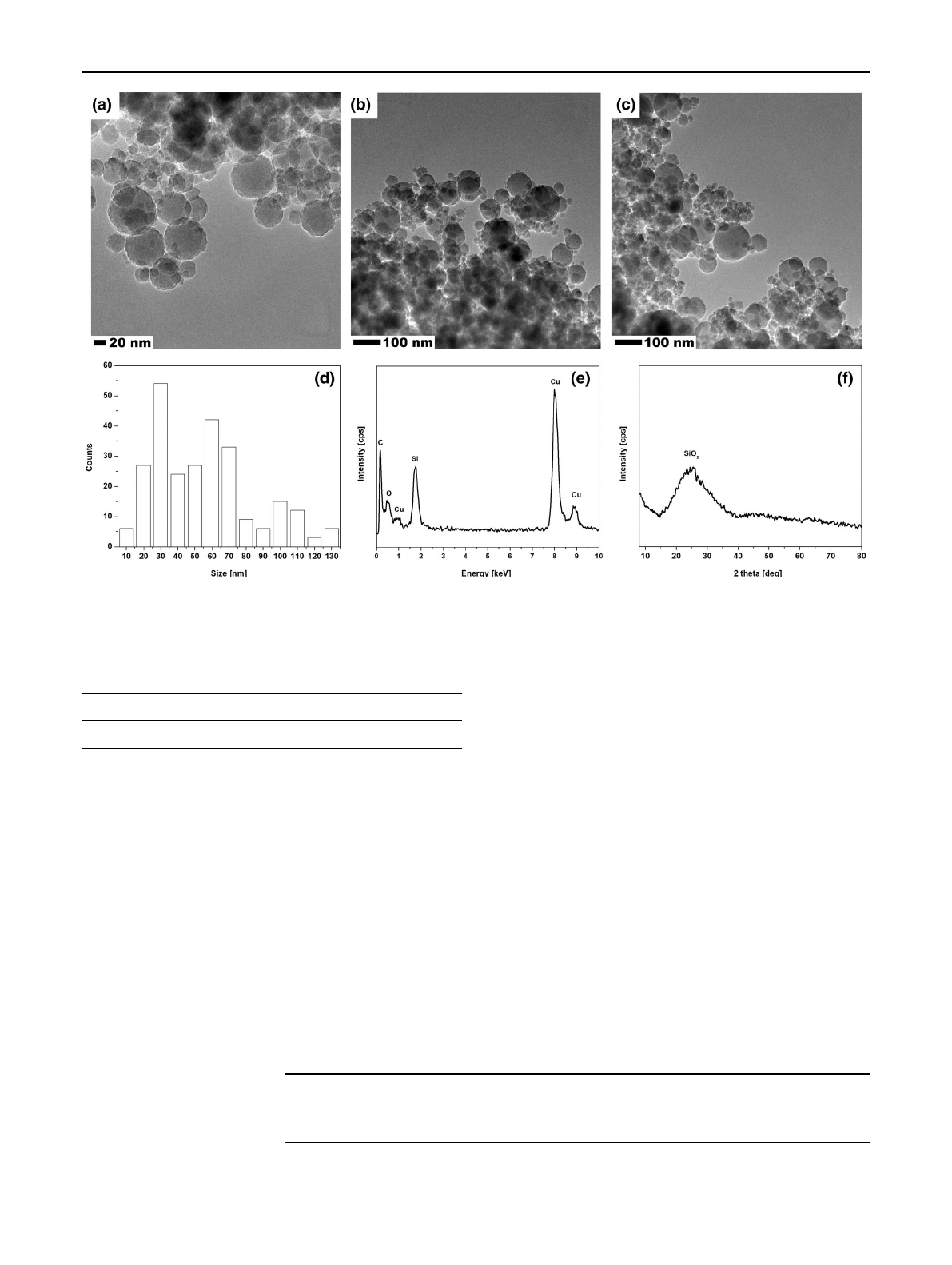
the work [36]. Transmission electron microscope (TEM)
micrographs (Fig.1a–c) shows spherically shaped silica
nanoparticles, with a energy dispersive X-ray (EDX) spec-
trum (Fig.1e) and X-ray diffraction (XRD) patterns (Fig.1f)
confirming its high purity and amorphicity. Table1 sum-
marise basic properties of NS suspension used in this study.
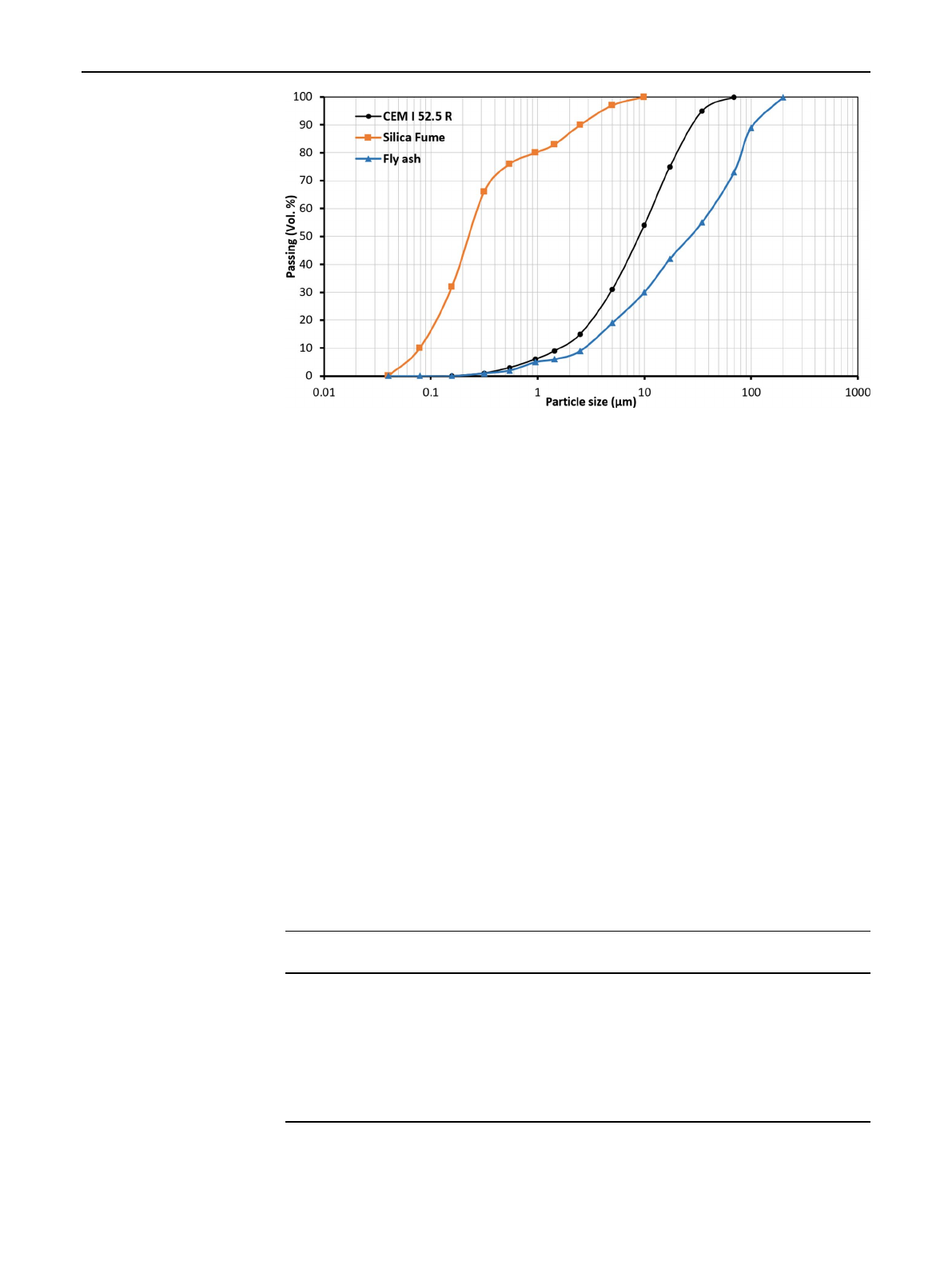
Table2 shows the chemical and physical properties of
the cement, fly ash and silica fume, while Fig.2 depicts the
particle size distribution of these materials. Since nanosilica
was used in slurry form, the amount of the liquid phase was
deducted from the effective water (w/b). In most foamed
concrete mixtures, according to the authors’ knowledge,
fine aggregate (sand) is used to reduce volumetric changes
and concrete shrinkage. However, this addition can cause a
significant increase in the density of the foamed concrete.
Therefore, in this research, lightweight fine sand (expanded
glass, Liaver), was used in a 0.1–0.3mm fraction, with a
Archives of Civil and Mechanical Engineering (2021) 21:79
1 3
79 Page 4 of 16
density of 0.8g/cm3, to facilitate the production of con-
crete with an ultra-low density. The water absorption of the
lightweight aggregates used was determined to be 12wt.-%,
with an additional amount of water, equal to the absorption
of fine lightweight sand, included in the effective water. A
foaming agent, with a density of 1.05g/cm3 (Lightcrete 400)
and produced by Sika Germany, was used to produce the
foam. In addition, superplasticizer compatible with the used
foaming agent has been implemented to achieve the required
consistency. To improve the homogeneity and stability of the
foamed concrete mixture, a viscosity-enhancing admixture
(Sika Stabilizer ST3) was adopted, to prevent segregation
in the fresh mixture.
2.2 Mix composition
Seven foamed concrete mixtures were designed and pre-
pared, to achieve a dry target density in the range of
350 ± 50kg/m3. Paste/foam ratio is the most important
parameter controlling the density and stability of foamed
concrete. In this study, it was fixed at 1:3 by volume, for all
the mixes, to achieve the target density. The water/binder
ratio was fixed at 0.40 for all the mixes. Various empirical
models have been proposed to predict the dry density of
foamed concrete [8]. In this study, theoretical dry density
Fig. 1 TEM images (a–b), particle size distribution (c), EDX (e) and XRD (f) analysis of nanosilica. The carbon and copper signals present in
the spectrum come from the holey carbon TEM grid. Reproduced from [36]
Table 1 Properties of silica nanoparticles suspension
* Based on TEM analysis
Particle size* Solid content Density Viscosity pH
10–140nm 50 wt.-% 1.4g/cm38 cP 9.5
Table 2 Chemical and physical
composition of cement, SF and
FA
Material CaO SiO2Al2O3Fe2O3MgO Na2O K2O SO3Density (g/cm3) Surface area
(cm2/g)
CEM I 52.5R 66.2 20.6 3.3 4.9 1.3 0.1 0.43 2.8 3.15 3860
Fly ash 4.8 47.9 21.0 4.6 1.4 0.7 1.1 0.8 2.27 2930
Silica fume 0.2 98.4 0.2 0.01 0.10 0.15 0.2 0.1 2.0 200,000
Archives of Civil and Mechanical Engineering (2021) 21:79
1 3
Page 5 of 16 79
was calculated based on the following formula, where it was
assumed that 20wt.-% of the cement stone was chemically
bound water, which could not be evaporated by standard
drying below a temperature of 105 ± 5°C (Eq.1) [8]:
where C is the mass of the cementitious materials added (kg/
m3) and A is the mass of the aggregates (kg/m3). Accord-
ing to this formula, 60kg/m3 of fine lightweight aggregate
required a cementitious material content of 240kg/m3, for
all mixtures.
Four dosages were used to study the influence of nano-
silica on the performance of foamed concrete: 1.25, 2.5, 5,
and 10wt.-% of cement. For comparison, a control mix con-
taining pure cement, mix containing fly ash with 25wt.- %
cement replacement and mix containing silica fume with
10wt.-% cement replacement were prepared and also tested.
Table3 presents the compositions of the different concrete
mixtures. Both the amount of mixing water and superplasti-
cizer remained constant in all cases, while the stabiliser con-
tent was adapted to prevent segregation and bleeding of the
(1)
Oven
−dry density
(
kg∕m
3)
=1.2C+
A
foamed concrete. Foamed concrete compaction is not desir-
able due to the high probability of segregation, destruction
and merging of foam bubbles and because of the resultant
formation of big voids. The concrete mixture was therefore
designed to achieve a consistency class of F4/F5 (according
to EN 206-1), to produce a workable homogeneous mix with
a high filling ability, without the need for vibrations.
2.3 Preparation offoamed concrete
The pre-formed foam in this investigation was produced and
then mixed with cement slurry. An SG S9 foam generator
(Sika Germany) was adapted and used to produce the foam,
at a capacity of 9L per minute and with a pressure of 0.4
bars. Tap water, with a pressure of about 3 bars and com-
pressed air with a pressure of 2 bars, were applied to the
generator, with the foaming agent dosage set at 2wt.-% of
the water. The foam produced had to be stable and, as rec-
ommended by the provider, was to be continuously produced
without pulses. For this purpose, the compressed air pres-
sure was adjusted until the foam was produced uniformly
and steadily. The foam density was measured as 35–40kg/
Fig. 2 Particle size distribution
of the fine materials used
Table 3 Foamed concrete
mixture compositions (kg/m3)
* 50 wt.-% of solid content. The liquid phase was considered to be a part of the mixing water
Mix Cement FA SF NS
(slurry)*
Fine Liaver
aggregate
Water SP ST Paste: Foam
(volume)
C 240 – – – 60 96 1.6 1.0 1:3
FA25 180 60 – – 60 96 1.6 1.2 1:3
NS1.25 237 – – 6 60 93 1.6 1.0 1:3
NS2.5 234 – – 12 60 90 1.6 0.8 1:3
NS5 228 – – 24 60 84 1.6 0.5 1:3
NS10 216 – – 48 60 72 1.6 - 1:3
SF10 216 – 24 - 60 96 1.6 0.8 1:3
Loading more pages...