
3rd PLATE Conference
September 18 – 20, 2019
Berlin, Germany
Nils F. Nissen
Melanie Jaeger-Erben (eds.)
Universitätsverlag der TU Berlin
Coughlan, Damian; Reddy, Martin; Fitzpatrick, Colin: Trialling the
preparation for reuse of B2C ICT WEEE in Ireland . In: Nissen, Nils F.;
Jaeger-Erben, Melanie (Eds.): PLATE – Product Lifetimes And The Envi-
ronment : Proceedings, 3rd PLATE CONFERENCE, BERLIN, GERMANY,
18 – 20 September 2019. Berlin: Universitätsverlag der TU Berlin, 2021.
pp. 169 – 174. ISBN 978-3-7983-3125-9 (online). https://doi.org/10.14279/
depositonce-9253.
This article – except for quotes, fi gures and where otherwise noted – is
licensed under a CC BY 4.0 License (Creative Commons Attribution 4.0).
https://creativecommons.org/licenses/by/4.0/.
169
3rd PLATE 2019 Conference
Berlin, Germany, 18-20 September 2019
Trialling the Preparation for Reuse of B2C ICT WEEE in Ireland
Coughlan, Damian(a); Reddy, Martin(b); Fitzpatrick, Colin(a)
a) Department of Electronic & Computer Engineering, University of Limerick, Ireland.
b) PhoenixRM, Kildare, Ireland.
Keywords: Preparation for Reuse; Reuse; B2C; WEEE, ICT.
Abstract: The TriREUSE project investigated the potential of collecting B2C ICT WEEE for preparation
for reuse in workplaces in Ireland. TriREUSE ran a series of WEEE to Work events where employees
were incentivised to return their data-bearing devices (Laptops, Tablets & Smartphones) at these events
where free data wiping and destruction were offered on all devices. The collected devices were returned
to a certified Preparation for Reuse organisation where the devices were tested and assessed for their
suitability for reuse using both technical and economic criteria. 283 kg of laptops, smartphones and
tablets was collected from 10 events of which 60 kg (28%) was suitable for preparation for reuse. 64
(29%) of the data-bearing devices that were collected were successfully prepared for reuse. A further
308 kg of WEEE outside of the scope of the project was also collected during the events.
Introduction
The proper treatment of Waste Electrical and
Electronic Equipment (WEEE) is high on the
global agenda in concerns regarding resource
efficiency and climate change (Baldé et al.,
2017). Promoting the lifetime extension of EEE
is also considered of importance due to the use
of numerous critical raw materials which do not
emerge from recycling streams (European
Commission, 2014). In addition, very high
manufacturing energy inputs are required for
these products, particularly for low entropy
components (Zero Waste Europe, 2017).
Research has demonstrated that the scope for
future improvements in efficiency of material
production is limited (Allwood et al., 2012;
Gutowski et al., 2013). Therefore, for a
reduction in industrial emissions to contribute to
the mitigation of climate change, a reduction in
material production through strategies such as
reuse and preparation for reuse that offset new
production will be necessary. EEE reuse has
been prioritised by a wide range of global
policies and regulations as a prudent approach
for conserving resources and reducing
environmental pollution. Most of the legislation
that regulates movement and disposal of
equipment containing potentially hazardous
materials recommends reuse. The European
Commission have also commissioned research
on the feasibility of including preparation for
reuse targets in the WEEE Directive (European
Commission, 2017). This study concludes that
a universal target across all member states is
not recommended but it encourages individual
member states to pursue actions which support
preparation for reuse of WEEE including targets
(McMahon, Johnson and Fitzpatrick, 2019).
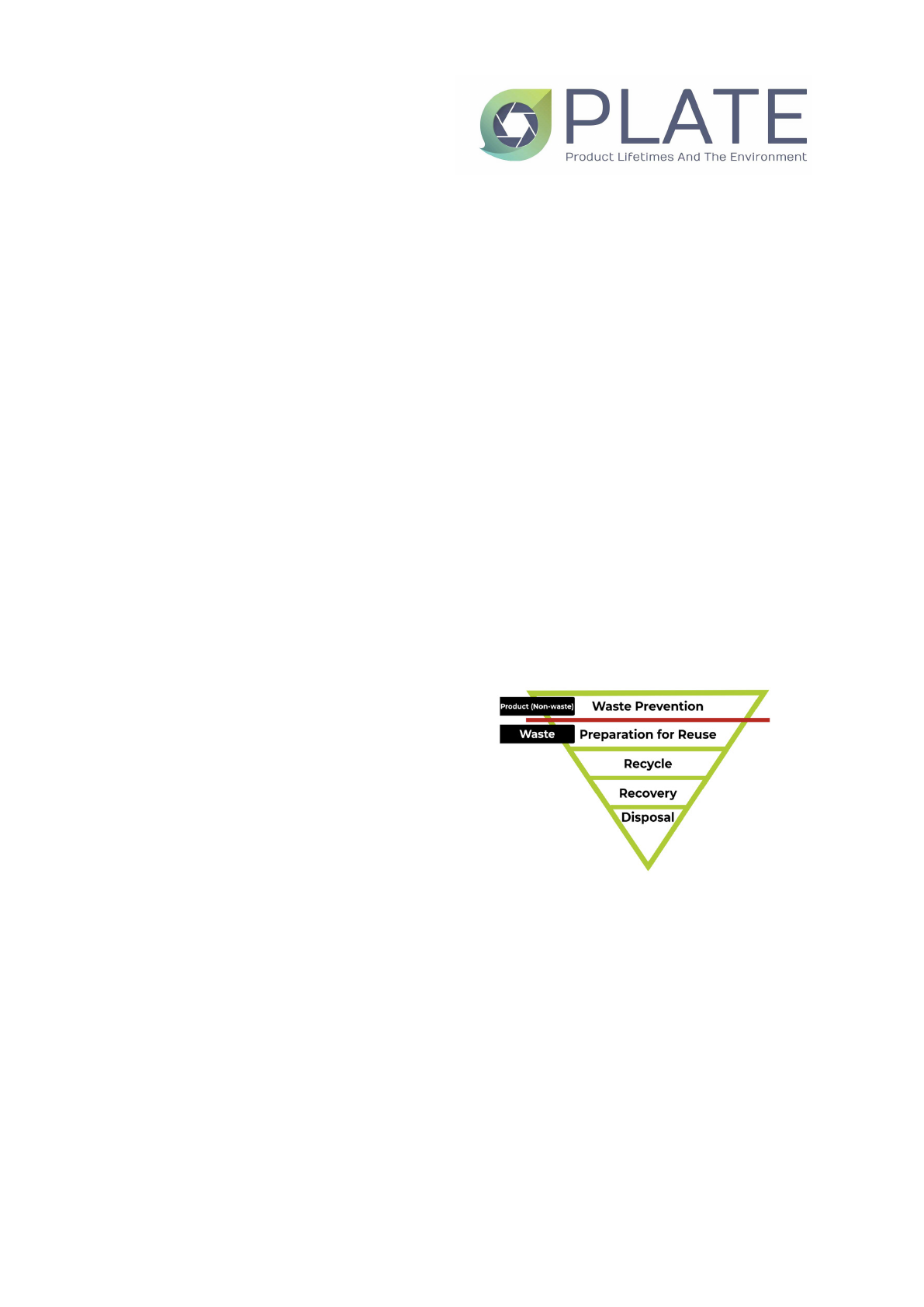
Figure 1. Waste Hierarchy.
Preparation for Reuse is a waste treatment
option at the end of life of WEEE. ICT WEEE
such as Laptops, Tablets and Smartphones can
have a high intrinsic value and often do not
present as WEEE (Angouria-Tsorochidou,
Cimpan and Parajuly, 2018). Preparing for
reuse refers to checking, cleaning or repairing
and recovery operations, by which products or
their components that would have become
waste are prepared in a way so that they will be
reused without any other pre-processing
(Gharfalkar et al., 2015). The time taken from
end of use to disposal is a growing problem
with EEE. The reluctance of consumers to
dispose of EEE as WEEE is claimed to be
170
3rd PLATE Conference Berlin, Germany, 18-20 September 2019
Coughlan D., Reddy M., Fitzpatrick C.
Trialling the preparation for reuse of B2C ICT WEEE in Ireland
rooted in frugality, altruism and cleanliness
(Casey, Lichrou and Fitzpatrick, 2018). Casey
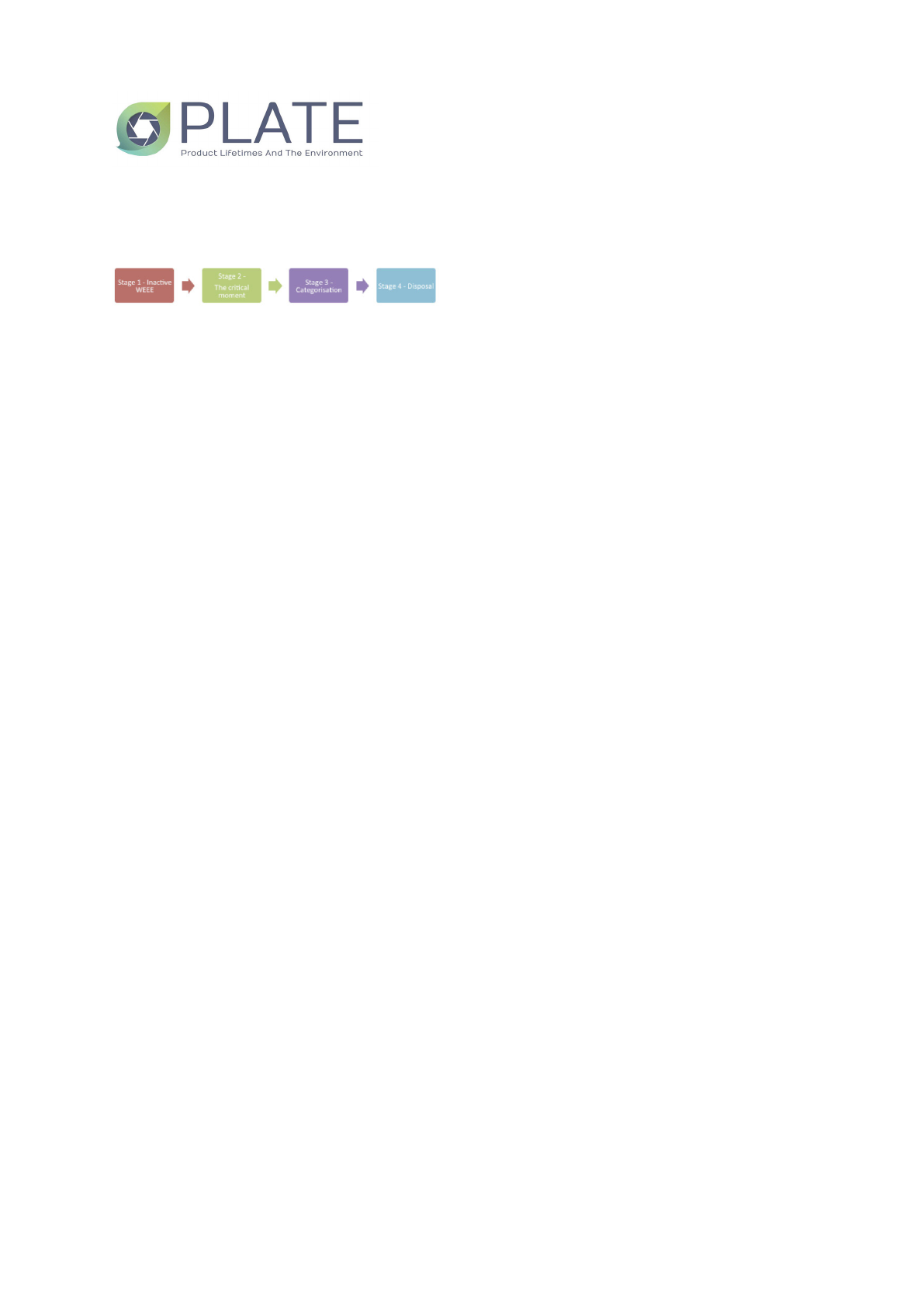
et al identified key stages in the WEEE
divestment process in figure 2.
Figure 2. Critical Moment of Disposal (Casey,
Lichrou and Fitzpatrick, 2018).
The potential for preparing for reuse and reuse
has been highlighted in several studies. One
study in Bavaria found that between 13% and
16% of WEEE was suitable for reuse and a
further potential of 13% to 29% could be
created through changes in collection, storage
and treatment at collection points in the region
(Messmann et al., 2019). Another study in
Denmark found that 22% of small appliances
and 7% of monitors were fully functional and
had the potential for resale (Parajuly, 2017). A
study in Spain investigated the potential for
preparing for reuse of small WEEE (sWEEE)
and found that 67.7% of collected devices had
the potential to be prepared for reuse through
refurbishment and repair (Bovea et al., 2016).
All studies highlight the potential for increased
revenue from a better preparation for reuse
system.
Preparation for Reuse in Ireland
The process of becoming a “preparing for
reuse” organisation in Ireland requires several
steps to gain access to WEEE. Firstly the
organisation must be approved and registered
with the WEEE Register Society Ltd. The
approval and registration requires waste
collection and waste license/facility permits
from the local authority, Preparation for reuse
certification, at the moment the BSI PAS141
standard is required with the intention to
migrate to EN 50614 in due course. The
confirmation of working arrangements with
compliance schemes and proof of indemnity
insurance for preparing for reuse activities and
a warranty policy is required for registration. An
administration fee of €250 is also payable.
The TriREUSE Project
The TriREUSE project was created to trial the
“Preparation for Reuse” of ICT WEEE
throughout the Republic of Ireland. The trial
was conducted using a series of collection
events with a mix of public and private
organisations. The collection events were
undertaken in various workplaces from local
government authorities, third level educational
institutions, government departments and
agencies and private companies. These
workplaces were selected as a testbed to
assess the willingness of employees to hand
over their old ICT devices with a view to being
reused after secure data destruction.
TriREUSE used these events to gather a mix of
data-bearing devices (laptops, tablets and
smartphones) to be “prepared for reuse”.
TriREUSE aims to facilitate and encourage
consumers to dispose of EEE as WEEE by
providing a work-based collection event in
tandem with free data erasure and destruction.
The results from the TriREUSE project will
enhance the understanding of how preparation
for reuse of B2C WEEE can operate in Ireland.
Collections
Collections took place as “WEEE to Work”
events which have been used previously to
encourage people to dispose of their old or
unused electronic devices. The TriREUSE
project used the same methods to collect
devices for reuse. The project undertook two
public and eight private collection events from
October 2018 to May 2019. They were run in
collaboration with a mix of organisations, from
Compliance schemes, Local Government
Authorities, Educational Institutions,
Government Departments and Multinational
companies.
The object of the collection was to gather data-
bearing devices. The decision was made
between the project partner to focus our efforts
on collecting Laptops, Tablets and
Smartphones as they can have a higher resale
value, contain many critical raw materials and
traditionally suffer from low collection rates.
Data Protection
The implementation of the General Data
Protection Regulation (GDPR) throughout
Europe in May 2018 provided a point of
reference to help leverage the incentive of free
data erasure & destruction as part of the
collection system. From speaking with
employees and staff, it was evident that GDPR
coverage provided a focus on what was
happening to their data. All devices were issued
with an identification number and the user could
email our preparation for reuse partner if there
was a requirement for a data destruction
certificate.
171
3rd PLATE Conference Berlin, Germany, 18-20 September 2019
Coughlan D., Reddy M., Fitzpatrick C.
Trialling the preparation for reuse of B2C ICT WEEE in Ireland
WEEE to work
The collection events were promoted in several
ways and were conducted over two day or one
day events. The two day events comprised of
an awareness day followed by a collection day.
The one day events comprised solely of a
collection day. The events were promoted using
TriREUSE branded materials for posters and e-
flyers in tandem with targeted Facebook and
Twitter campaigns. A website was developed to
disseminate the preparation for reuse message
and its benefits. Video templates were used to
personalise and publicise events for companies
and organisations.
Figure 3. TriREUSE website screenshot.
Figure 4. TriREUSE YouTube video screenshot.
Results
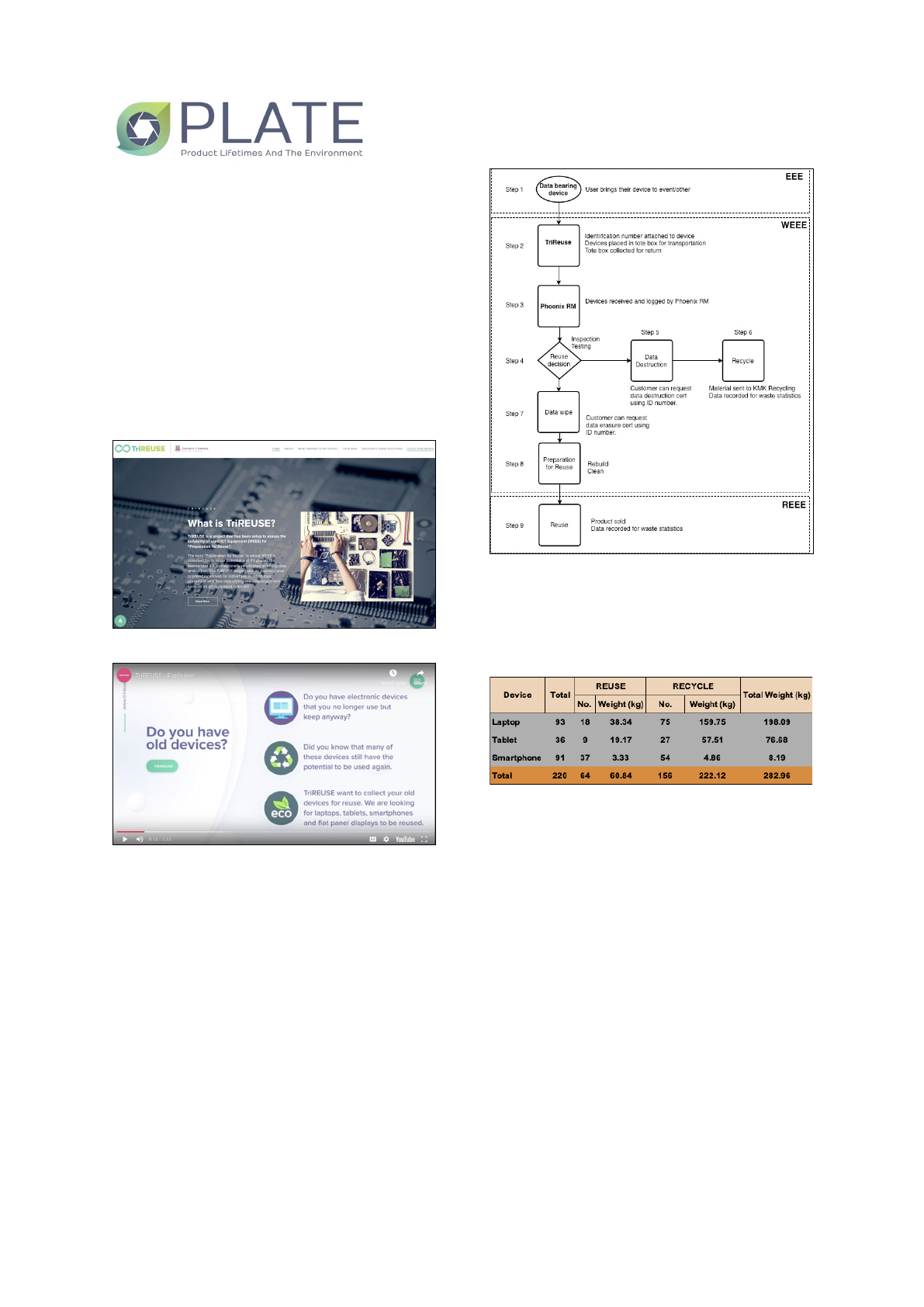
The devices that were collected were prepared
for reuse at PhoenixRM, an authorised
preparation for reuse organisation. Figure 5.
presents the process flow for the collected
devices.
Figure 5. Process flow for TriREUSE.
As part of this preparation process, devices
that were not suitable for direct reuse (minimal
intervention) would be assessed for parts
reuse as supply feedstock.
Table 1. Devices collected, count and weights
(UNU-keys, 2010).
Table 1. presents the devices collected by the
number collected and weight. United Nations
Univeristy (UNU) keys are used to assign an
average weight to each device. UNU keys from
2010 and the corresponding weight values
were assigned to each device type.
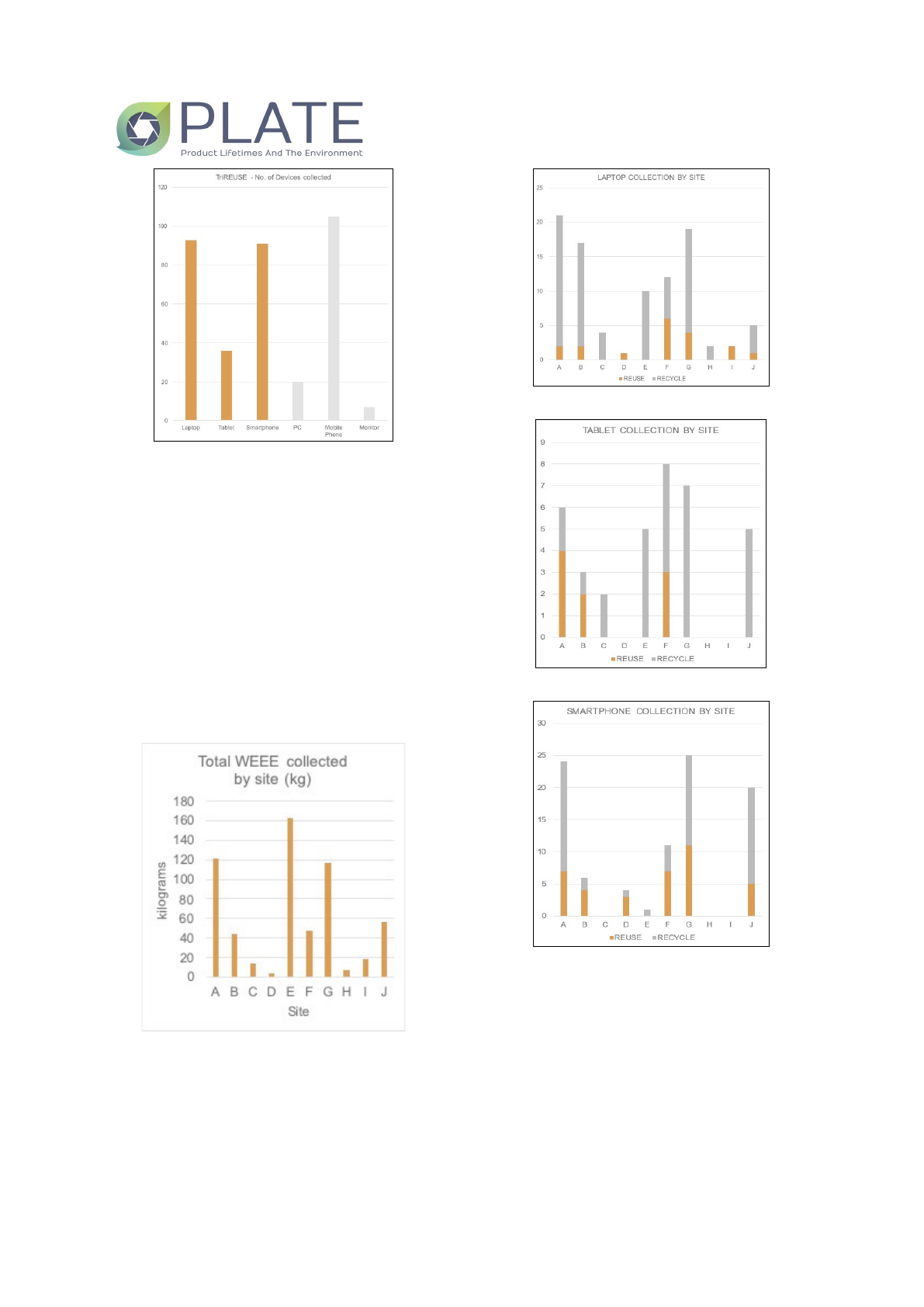
Figure 6, presents the number of devices
collected with laptops representing 42% of
devices collected with Smartphones
representing 41% and Tablets accounting for
16%.
172
3rd PLATE Conference Berlin, Germany, 18-20 September 2019
Coughlan D., Reddy M., Fitzpatrick C.
Trialling the preparation for reuse of B2C ICT WEEE in Ireland
Figure 6. Number of devices collected.
Other data-bearing devices were received as
part of the collection but have been omitted as
they are not in the scope of the project. A total
of 590.38 kg of WEEE was recorded from the
collection. 282.96 kg of WEEE was within the
scope of the project i.e. Laptops, Tablets and
Smartphones. 60.84 kg of this WEEE was
recorded as being prepared for reuse while the
remaining 222.12 kg went for recycling.
Devices that were outside the scope of the
project went for recycling (307.42 kg). Figure 7
presents the total weight collected per site. Site
E had the largest amount of WEEE collected by
weight.
Figure 7. Total WEEE collected by site (kg).
Figures 8, 9 and 10 present the reuse and
recycle device quantities collected per site.
Figure 8. Laptop Reuse/Recycle per site.
Figure 9. Tablet Reuse/Recycle per site.
Figure 10. Smartphone Reuse/Recycle per site.
29% (64) of the data-bearing devices (laptops,
tablets and smartphones were prepared for
reuse. An analysis was carried out on the
kilograms collected per person (8 private
collections) in Figure 10.
Site E had the best return of WEEE with 0.09kg
with a workforce of 400 approx. An average of
0.03kg was collected from staff at all events.
These results can help to inform the basis of a
benchmark for targets for future events,
Loading more pages...